
Why Businesses Seek a Restoration Partner in Baltimore
When water damage hits a commercial property, the first priority is protecting people, assets, and operations. Even a small leak can spread quickly through walls, flooring, and hidden spaces, turning a maintenance issue Commercial Water Restoration Baltimore MD into a full restoration project. A dependable restoration partner helps you address the source, control moisture, and prevent secondary damage such as microbial growth and structural deterioration.
Brand discovery matters because the right company feels reliable before the job begins. Many property owners and facility managers look for clear communication, documented processes, and technicians who understand how commercial spaces operate. Movefastrestoration focuses on service clarity and efficient restoration steps so stakeholders know what is happening, why it matters, and how progress is measured.
Commercial Risks That Make Professional Help Essential
Commercial properties often contain materials and systems that react differently to water than typical residential finishes. Flooring assemblies may include underlayments, adhesives, and sublayers that hold moisture longer than expected. Walls may conceal water behind drywall, paneling, Certified Water Restoration Company or insulation, and ceilings can trap contamination in cavities. A restoration partner evaluates these risk points so the drying plan targets the actual moisture source rather than only the visible wet areas.
Beyond the building envelope, water intrusion can affect electrical components, HVAC intake pathways, and shared plumbing routes. Even when damage appears localized, water can travel through airflow, gravity, or capillary action into adjacent rooms. Professionals coordinate mitigation to reduce hazards and keep work areas safe for staff, customers, and contractors, supporting steady operations while restoration is in progress.
Rapid Water Removal and Drying That Protect Your Operations
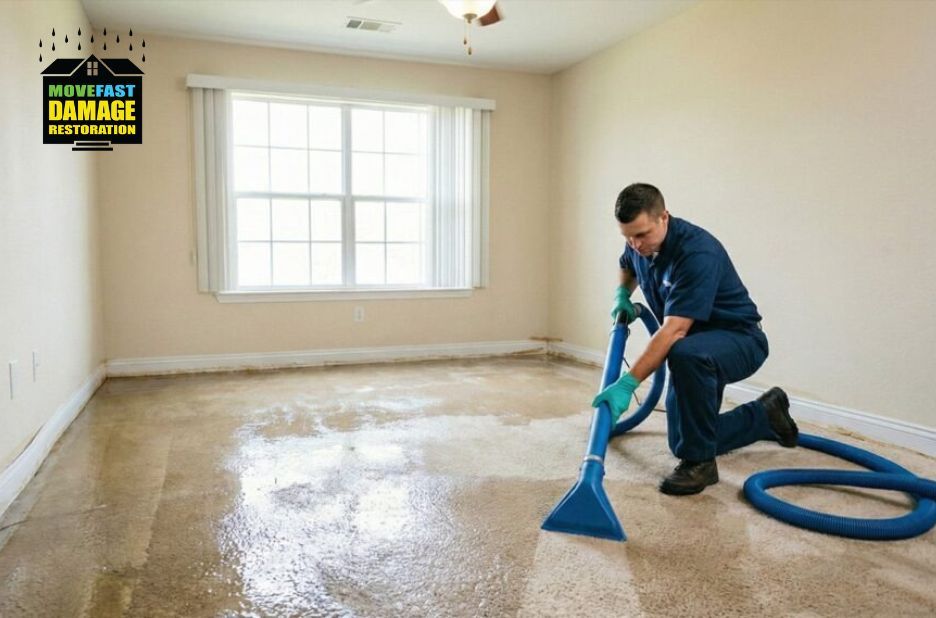
Commercial spaces often have tight schedules, shared plumbing systems, and complex layouts that make drying more challenging than residential work. Professional water removal typically starts with rapid assessment, water extraction, and the setup of drying equipment designed for the specific affected materials. Dehumidifiers, air movers, and moisture monitoring work together to reduce evaporation time and support consistent drying throughout the building.
For offices, retail showrooms, medical facilities, and warehouses, the goal is to minimize downtime while still achieving thorough remediation. Technicians may need to coordinate access with property staff, control work areas to reduce cross-contamination, and maintain safe pathways for employees and customers. This approach supports a faster return to normal operations without sacrificing the drying standards required for long-term results.
Moisture Mapping and Equipment Placement for Faster Drying
Effective drying depends on more than running equipment—it depends on measuring where moisture is present and how it is moving through the structure. A restoration team uses moisture readings and inspection methods to identify affected building materials, then applies drying tools based on real conditions. Proper equipment placement supports airflow patterns that reach low-lying areas, corners, and concealed spaces where water often lingers.
Moisture mapping is especially important in commercial environments with multiple rooms, partitions, and open floor plans. Drying goals may differ depending on whether the affected area includes concrete, carpet with pad, tile with grout lines, or drywall with insulation. Professionals track progress over time so the building reaches appropriate dryness targets before cleaning or repairs begin, reducing the likelihood of repeat damage.
Commercial spaces often have tight schedules, shared plumbing systems, and complex layouts that make drying more challenging than residential work. Professional water removal typically starts with rapid assessment, water extraction, and the setup of drying equipment designed for the specific affected materials. Dehumidifiers, air movers, and moisture monitoring work together to reduce evaporation time and support consistent drying throughout the building.
For offices, retail showrooms, medical facilities, and warehouses, the goal is to minimize downtime while still achieving thorough remediation. Technicians may need to coordinate access with property staff, control work areas to reduce cross-contamination, and maintain safe pathways for employees and customers. This approach supports a faster return to normal operations without sacrificing the drying standards required for long-term results.
Restoration Planning, Documentation, and Certified-Level Work
A commercial restoration effort is more than drying wet surfaces; it is a structured plan that considers building materials and the conditions created by water intrusion. After moisture is controlled, professionals evaluate affected areas, determine what needs cleaning versus removal, and establish the scope of repairs. This stage can include cleaning and sanitizing belongings, repairing drywall or flooring, restoring ceilings, and addressing insulation or subfloor damage.
Many business owners also need documentation that supports insurance and internal records. A should provide clear reporting on moisture readings, equipment placement, and progress milestones so the remediation process is transparent. When a company keeps documentation organized, it reduces uncertainty and helps stakeholders make informed decisions about repairs, contents handling, and restoration priorities.
Cleaning Standards, Contents Handling, and Controlled Work Areas
Commercial restoration often requires careful cleaning procedures that match the contamination level and the type of materials involved. Cleaning may include removing debris, extracting residual moisture from porous surfaces, and using appropriate techniques to reduce odors and residues. In environments such as retail, hospitality, or offices, cleaning plans are designed to protect brand presentation and minimize disruption to operations.
Contents handling is another key part of the restoration plan. Professionals may separate salvageable items from those that must be removed, then use appropriate drying and cleaning methods to maximize recovery. Controlled work areas help prevent dust, particulates, and potential microbial byproducts from spreading to unaffected zones, which is particularly important in settings where employees and customers continue to move through the facility.
Insurance-Friendly Reporting and Repair Coordination
Commercial water loss events often involve multiple stakeholders, including property management, insurance representatives, and internal decision-makers. Thorough documentation supports smoother communication by recording what was affected, what was done, and how conditions changed during drying. Moisture logs, equipment records, and inspection notes help show that restoration followed a structured approach focused on measurable outcomes.
After the drying phase, restoration planning continues with repair coordination. Professionals evaluate whether materials can be restored or must be replaced to ensure long-term performance. Coordination may include scheduling trade work such as drywall repair, flooring installation, ceiling restoration, or sealing and finishing. A partner that manages these steps helps reduce delays and keeps repairs aligned with the documented restoration timeline.
Conclusion
Choosing the right partner for commercial restoration requires more than seeing a quick response vehicle or a familiar name on a flyer. It involves understanding how water spreads, how drying goals are measured, and how restoration work is coordinated to reduce disruption. Movefastrestoration supports brand discovery through an organized approach that emphasizes fast extraction, controlled drying, and practical restoration steps designed for commercial environments.
For businesses in need of professional help, Movefastrestoration provides services that support efficient recovery while protecting property value and operational continuity. If water damage has affected your facility, selecting a team experienced in commercial-scale remediation can help you move from emergency response to restoration with confidence and clarity. Visit movefastrestoration.com to learn more about water damage restoration services and to see how their process aligns with minimizing business interruption.