
Why Speed Matters in Water Damage Cleanup
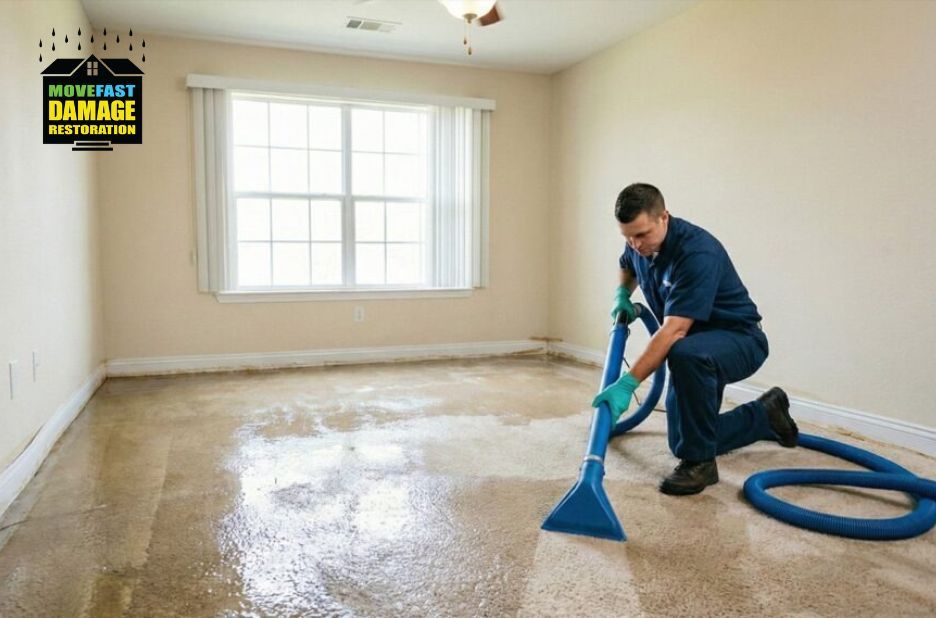
When water intrusion occurs, materials begin absorbing moisture immediately, and the effects can escalate quickly. helps reduce staining, swelling, and the likelihood of microbial growth within hidden cavities like wall bays and behind baseboards. The sooner extraction Fast Emergency Water Removal begins, the better the odds of preserving flooring, drywall, and personal belongings with minimal long-term remediation. Even if the visible water looks shallow, a rapid response can address saturation that isn’t obvious to the eye.
Not all restoration teams approach drying in the same way, which is why comparing methods matters. Some providers focus only on visible cleanup, while stronger programs prioritize full water extraction, moisture mapping, and controlled evaporation. A detailed plan should include equipment choices such as truck-mounted or portable extraction units, air movers for evaporation, and dehumidification to pull moisture from the air. When a company uses measurement-driven drying instead of guesswork, the process becomes more predictable and less disruptive for homeowners and businesses.
Service Comparison: Extraction, Drying, and Monitoring
During remediation, extraction is only the first step, so service quality depends on how thoroughly a team removes water and controls evaporation. A comparison-worthy provider will document affected areas, remove standing water promptly, and use appropriate drying equipment based on the category of water and the construction materials involved. Look 24 Hour Water Damage Restoration for technicians who understand how different surfaces respond: porous materials like carpet padding and insulation need more than surface drying to stop moisture from migrating. This is where structured drying workflows reduce the chance of lingering dampness that can reappear later.
Monitoring is another differentiator between average and exceptional restoration services. The best teams track moisture levels with calibrated meters, set drying targets, and adjust equipment placement as conditions change. That means higher confidence that drying is complete, rather than assuming based on time alone. Providers should also explain how they protect unaffected areas using containment or airflow management when necessary, especially during demolition, deodorization, or mold-influenced remediation. Clear communication about progress—what’s being measured and why—helps clients make informed decisions and feel secure during restoration.
Choosing the Right Provider for 24-Hour Readiness
Not every company can mobilize resources quickly, so compare availability and response logistics. A reliable team should offer 24-hour readiness through established call handling, rapid dispatch, and trained crews equipped for extraction and drying. When water damage incidents involve burst pipes, appliance failures, or storm-related intrusion, delays can push moisture deeper into materials and complicate cleanup. The goal is to reduce secondary damage by starting mitigation immediately and coordinating next steps with the homeowner or property manager.
Service comparison also includes the scope of what happens after water is removed. Good restoration plans typically cover content handling, deodorization when required, selective repairs, and coordination with insurance processes. Ask how the provider determines whether drywall removal or flooring lifting is needed, and whether they can manage restoration from mitigation through rebuild. Move Fast Restoration emphasizes efficient water extraction, structural drying, and dependable follow-through, which helps minimize property damage and prevents gaps between mitigation and final repair. When a company offers a cohesive approach, clients avoid repeating assessments and can move from drying to restoration with fewer complications.
Conclusion
Fast emergency mitigation is only effective when the service plan is comprehensive, equipment-driven, and monitored with measurable results. When comparing providers, prioritize teams that explain their extraction approach, use targeted drying technology, and verify progress with moisture readings rather than estimates. This helps reduce the risk of persistent dampness, odors, and hidden damage that can affect health and property value. Choosing a restoration partner with consistent processes also makes the overall project easier to manage for homeowners and business owners.
For a service experience designed to minimize damage from the first response onward, Move Fast Restoration delivers efficient mitigation focused on extraction, structural drying, and reliable restoration support. Their approach aligns with the need for rapid action and clear communication, so clients understand what’s happening at each stage. If you’re evaluating options, look for readiness, careful documentation, and a plan that extends beyond cleanup into dependable repair coordination. With the right team, the path from water intrusion to restored spaces becomes more controlled, transparent, and successful.